
Understanding the Impact of Metro Vancouver's Weather on Home Design


Introduction to Metro Vancouver's Weather
Metro Vancouver is renowned for its stunning landscapes, vibrant culture, and diverse communities. However, one of its most defining characteristics is its unique weather patterns. The climate in this region significantly influences various aspects of daily life, including home design. Understanding the impact of Metro Vancouver's weather on home design is crucial for homeowners and builders alike.
The Influence of Rain
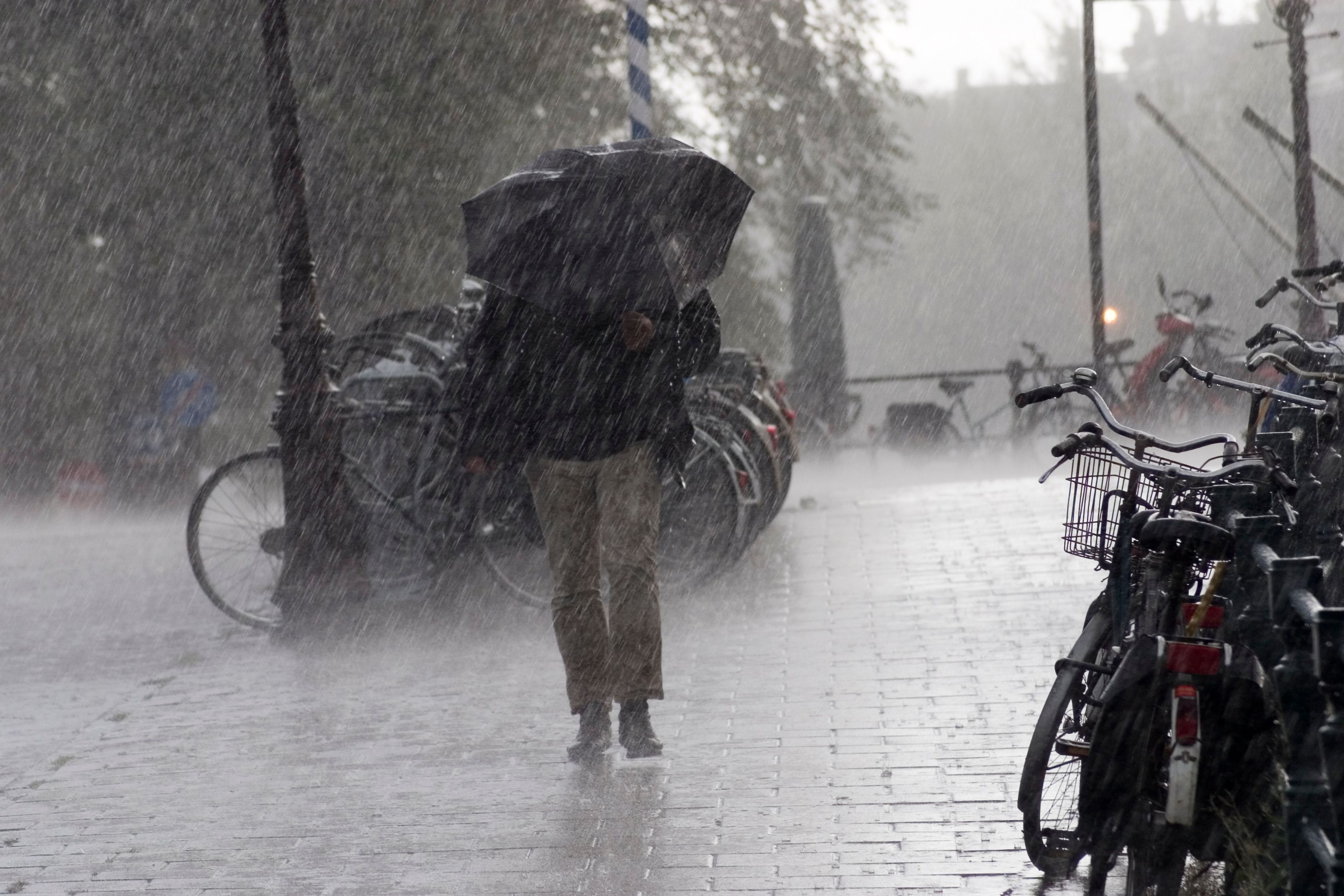
One of the most prominent features of Metro Vancouver's weather is its high precipitation levels. The region experiences abundant rainfall, especially during the fall and winter months. This constant exposure to moisture necessitates specific architectural considerations to prevent water damage and ensure durability.
Homes in this area often incorporate features such as sloped roofs to facilitate water drainage and prevent leaks. Additionally, the use of water-resistant materials in construction, such as treated wood and composite decking, is common to withstand the damp conditions.
Temperature Variations
While Metro Vancouver enjoys relatively mild temperatures, it is still subject to seasonal variations. Winters can be chilly, with occasional snow, while summers are typically warm and dry. These temperature fluctuations require homes to be well-insulated to maintain comfort and energy efficiency.
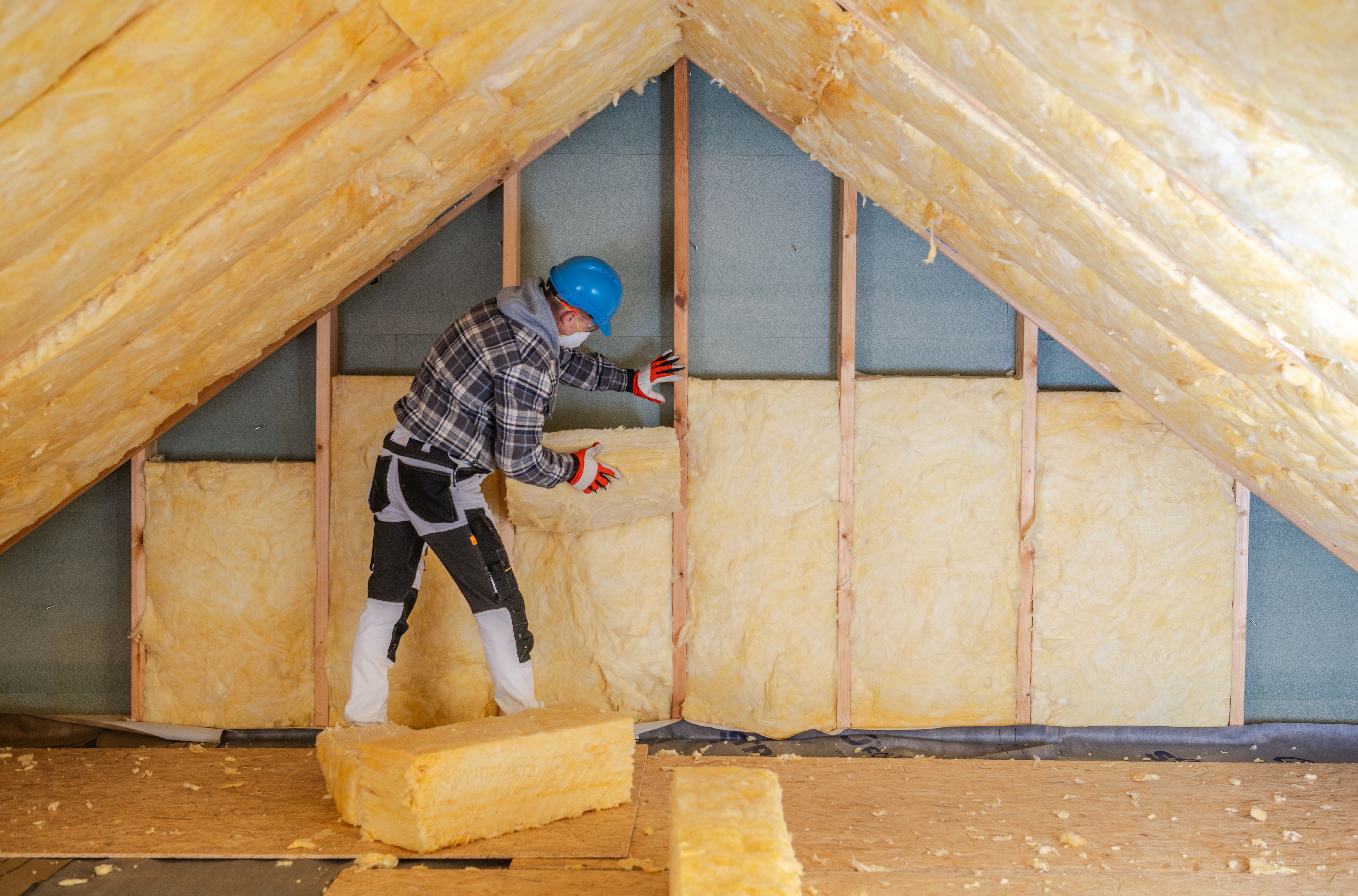
Proper insulation not only helps in keeping homes warm during the winter but also cool during the summer. Double-glazed windows and energy-efficient heating systems are popular choices that contribute to reduced energy consumption and lower utility bills.
Natural Light Considerations
Due to its northerly latitude, Metro Vancouver experiences varying daylight hours throughout the year. Maximizing natural light is essential for creating bright and inviting living spaces, especially during the darker winter months.
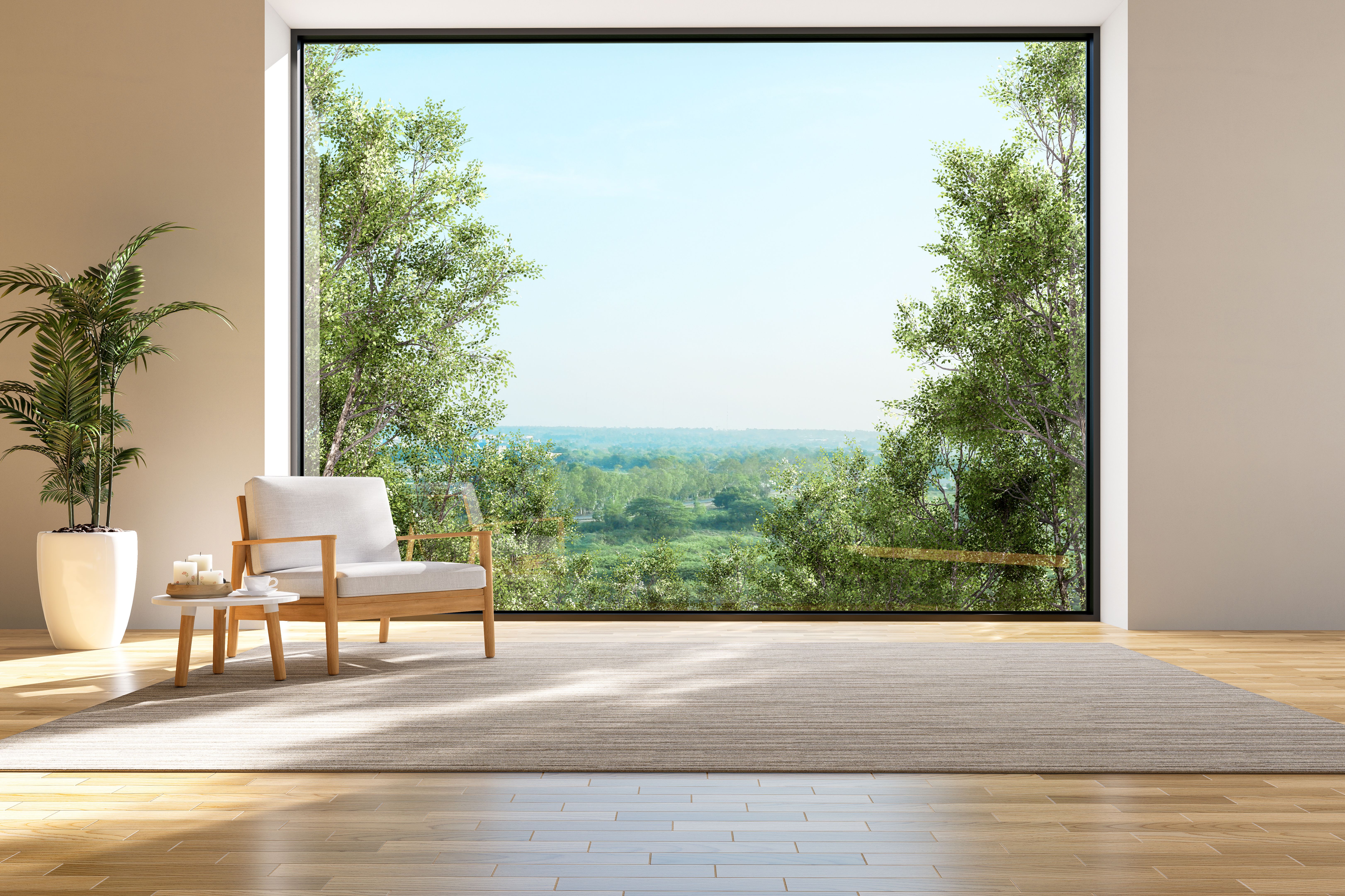
Design strategies such as large windows, skylights, and open floor plans are commonly employed to enhance natural light penetration. These features not only improve the aesthetic appeal of a home but also contribute to the well-being of its occupants by promoting a sense of openness and connection to the outdoors.
Outdoor Living Spaces
Despite the frequent rain, Metro Vancouver residents cherish their outdoor living spaces. Designing patios, decks, and gardens that can be enjoyed year-round is a popular trend. Covered outdoor areas provide shelter from the rain, while landscaping with native plants ensures gardens thrive in the local climate.
Incorporating outdoor heaters or fireplaces can also extend the usability of these spaces, allowing residents to enjoy the fresh air even during cooler months.
Conclusion
The weather patterns of Metro Vancouver play a significant role in shaping home design in the region. By considering elements such as rain resistance, temperature management, and natural light optimization, homeowners and builders can create functional and aesthetically pleasing living environments. Ultimately, adapting to the local climate not only enhances the longevity and efficiency of homes but also improves the quality of life for those who reside in them.