
Understanding BC's Unique Weather Patterns: How They Affect Daily Life


British Columbia, often referred to as BC, is known for its breathtaking landscapes and diverse climate zones. From coastal rainforests to arid deserts, BC's weather patterns can vary drastically, impacting the daily lives of its residents.
The Coastal Climate
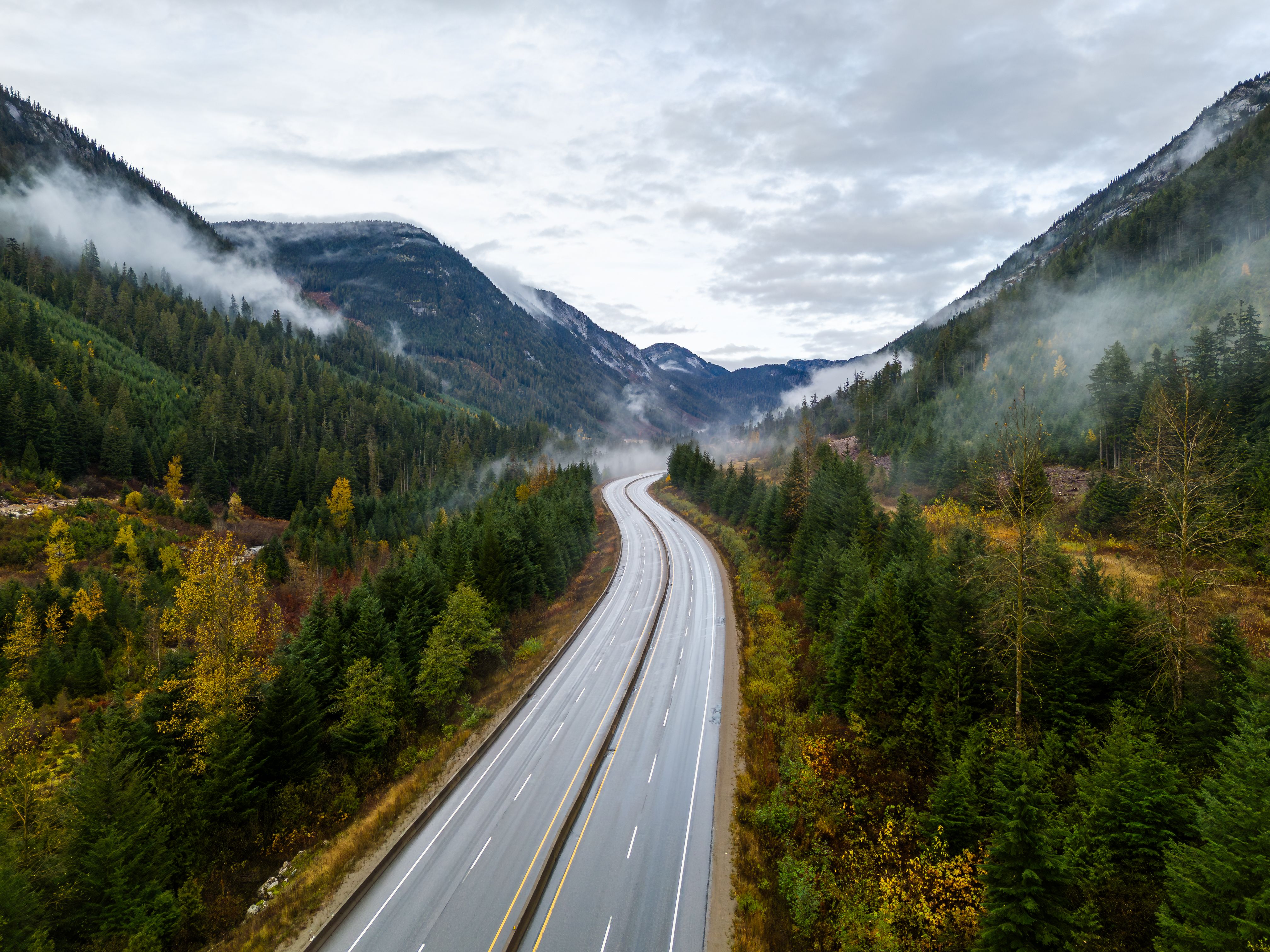
The coastal regions of BC, including Vancouver and Victoria, experience a maritime climate. This area is characterized by mild, wet winters and cool, dry summers. The proximity to the Pacific Ocean ensures moderate temperatures year-round, which can be a relief compared to the extreme weather in other parts of Canada.
Residents in these areas often deal with heavy rainfall during the winter months, which can lead to challenges such as flooding and transportation delays. However, the mild climate also allows for a longer growing season, benefiting the local agriculture industry.
Impact on Daily Life
The frequent rain in coastal areas means that residents often need to plan around the weather. Commuters might invest in waterproof gear and use public transportation more frequently to avoid traffic congestion. The constant moisture also influences housing, requiring homes to be built with materials that can withstand damp conditions.
The Interior Climate
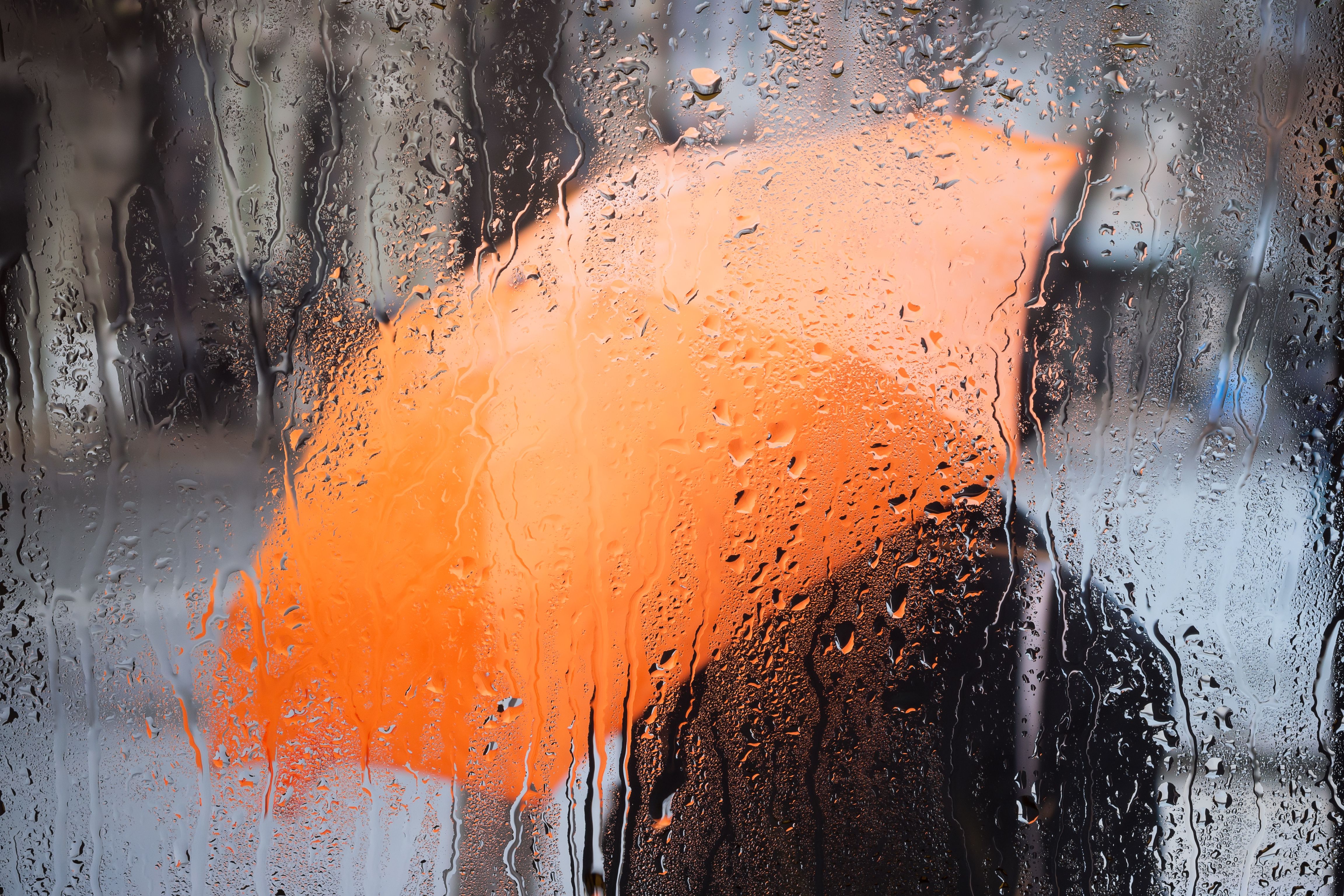
Moving inland, the climate shifts dramatically. The interior of BC, including areas like Kelowna and Kamloops, experiences a semi-arid climate. Here, summers are hot and dry, while winters are cold and snowy. This region is known for its sunny weather, which is a stark contrast to the coastal rain.
The dry conditions during the summer months can lead to an increased risk of wildfires, a concern that affects many communities. Residents must be prepared for potential evacuations and disruptions during wildfire season.
Adaptations to Arid Conditions
In response to the arid climate, residents often implement water conservation measures, especially during the summer. Landscaping with drought-resistant plants is common, helping to preserve water resources and maintain a beautiful environment despite the lack of rain.
The Mountainous Climate
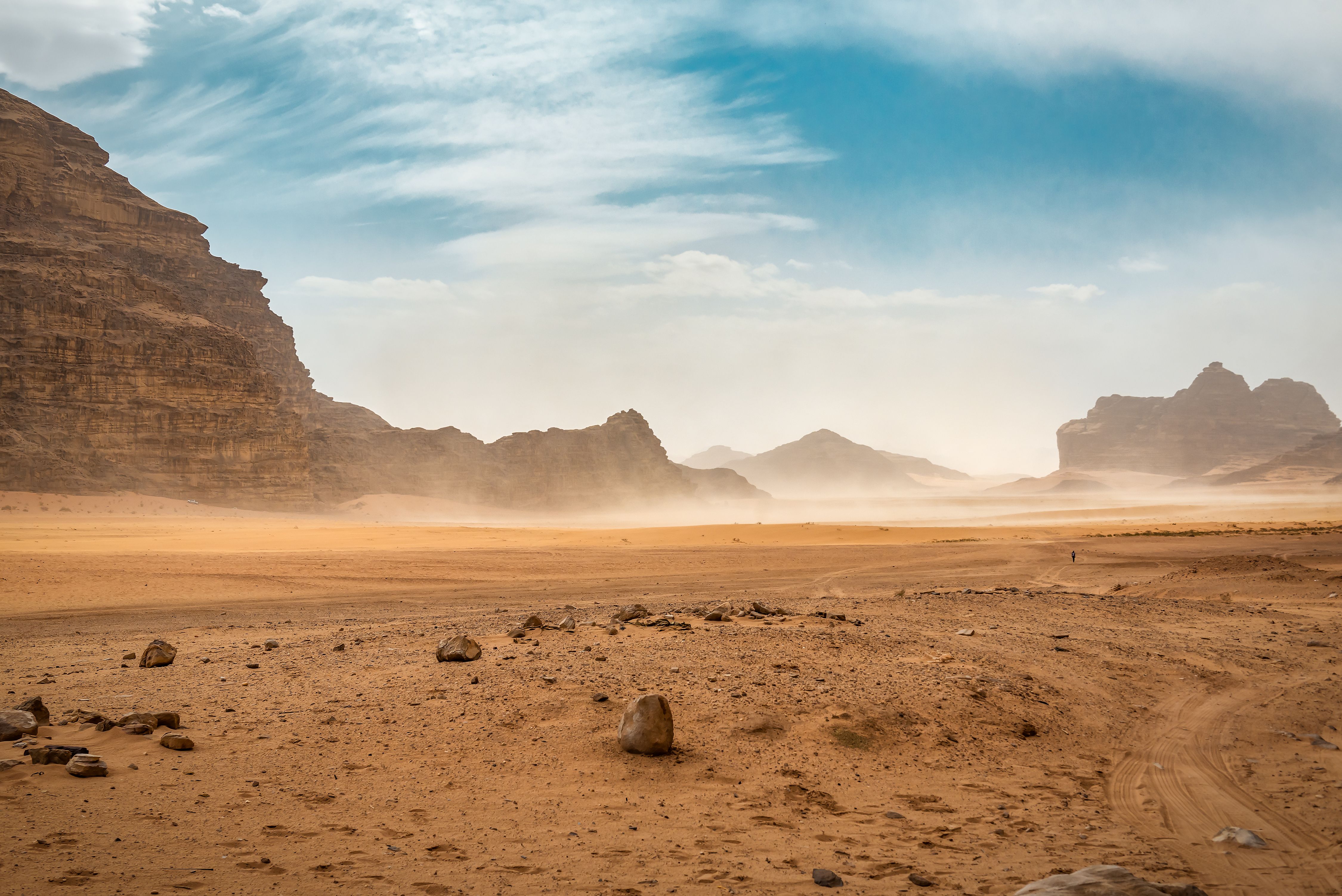
BC's mountainous regions, such as Whistler and the Rockies, offer yet another climate variation. These areas can experience heavy snowfall and cold temperatures in the winter, making them popular destinations for skiing and snowboarding.
However, the harsh winter conditions can present challenges, such as road closures and increased heating costs. Residents in these areas often invest in snow removal equipment and winter-proofing their homes to handle the severe weather.
Year-Round Activities
Despite the challenges, the mountainous regions provide ample opportunities for outdoor activities throughout the year. Winter sports dominate the colder months, while hiking and mountain biking are popular in the summer, showcasing the versatility and appeal of BC's diverse climate zones.