
The Art of Japanese Calligraphy: A Beginner's Guide


Understanding the Basics of Japanese Calligraphy
The art of Japanese calligraphy, or Shodō, is a beautiful and intricate practice that combines visual art with writing. It is not just about writing characters; it's a form of expression that requires patience and precision. Each stroke is a deliberate action, intended to convey emotion and meaning.
The Tools You Need
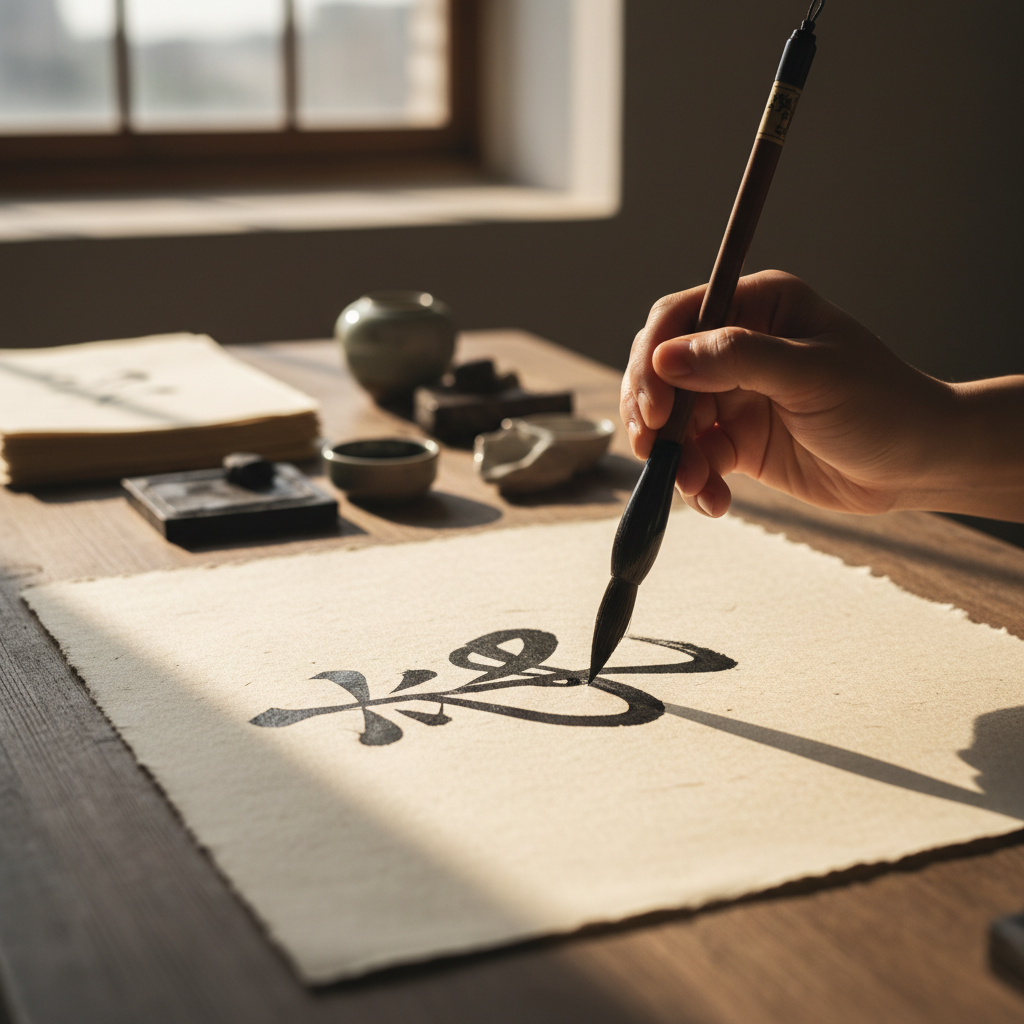
To start your journey into Japanese calligraphy, you'll need a few essential tools. The primary instruments include the brush (fude), ink (sumi), inkstone (suzuri), and paper (washi). Each of these tools plays a crucial role in how the final piece turns out. Investing in quality materials can make a significant difference in your practice.
The brush is the most important tool, and its quality can greatly affect your work. The ink is traditionally made from soot and glue, creating a rich, deep black color. The inkstone is used to grind the ink stick into liquid form, and the paper must be smooth to allow the brush to glide effortlessly.

Learning the Basic Strokes
Japanese calligraphy is built on a series of basic strokes that form the foundation of more complex characters. These include horizontal and vertical lines, dots, and hooks. Practicing these strokes repeatedly is essential for mastering the art. It’s important to maintain a steady hand and focus on the flow of the brush.
Beginners should start with simple characters and gradually move to more complex ones. This progression helps in building confidence and skill. Remember, each stroke should be intentional and fluid, as it reflects the calligrapher's state of mind.
The Importance of Posture and Breathing
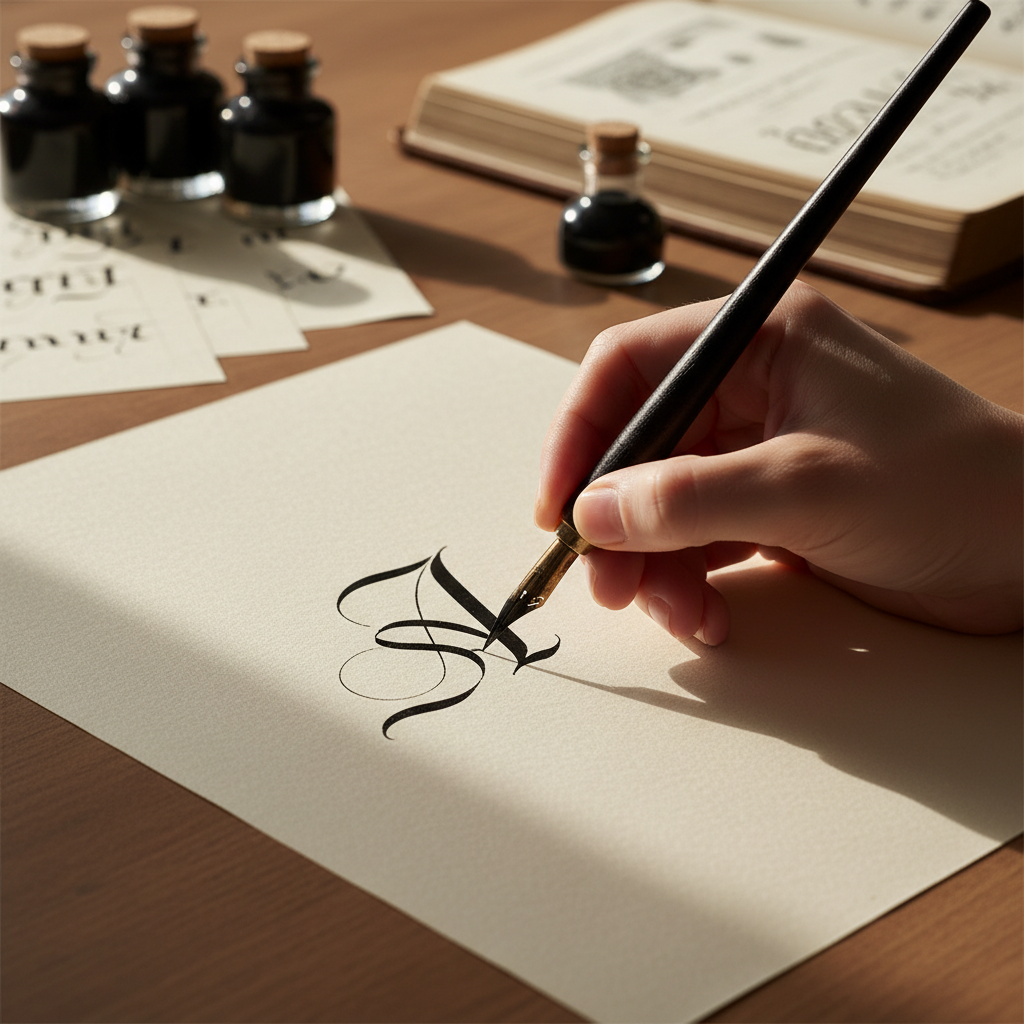
Proper posture and breathing are crucial in Japanese calligraphy. The calligrapher should sit comfortably, with the back straight and the paper directly in front. This position allows for better control over the brush. Breathing should be slow and steady, helping to maintain focus and calmness during the process.
Many practitioners find the act of calligraphy to be meditative. The rhythm of the brush strokes and the concentration required can create a sense of peace and mindfulness. This meditative aspect is one reason why calligraphy is highly revered in Japanese culture.
Embracing the Aesthetics of Simplicity
Japanese calligraphy is not just about creating beautiful characters; it's about embracing the aesthetics of simplicity and minimalism. The empty spaces in the artwork are as important as the inked areas, providing balance and harmony. This concept is known as ma, and it encourages the appreciation of subtlety and restraint.
Practice and Patience
Mastering Japanese calligraphy requires dedication and patience. Consistent practice is key to improvement, and it’s essential to approach each session with an open mind and willingness to learn. Mistakes are part of the process and can lead to unexpected discoveries and growth.
Joining a calligraphy class or finding a mentor can provide valuable guidance and feedback. Sharing your work with others and learning from experienced practitioners can deepen your understanding and appreciation of this ancient art form.