
How to Prepare Your Home for Metro Vancouver’s Rainy Season


Inspect and Repair Your Roof
The roof is your home's first line of defense against the elements. Before the rainy season starts, it's crucial to inspect your roof for any signs of damage or wear. Look for missing or broken shingles, and check for leaks or water stains in your attic. Hiring a professional roofer for a thorough inspection can save you from costly repairs down the line.
If you find any issues, address them promptly. A well-maintained roof ensures that your home remains dry and protected during Metro Vancouver's heavy rains.

Clean and Maintain Gutters
Gutters play a vital role in directing rainwater away from your home. Clogged gutters can lead to water overflow, which can damage your roof, siding, and foundation. Regularly clean your gutters to remove leaves, twigs, and other debris.
Consider installing gutter guards to reduce the need for frequent cleaning. Ensure that downspouts are clear and direct water away from your home's foundation to prevent pooling.
Seal Windows and Doors
Windows and doors are common entry points for water. Check for gaps or cracks around these areas and seal them with weatherproof caulking. This not only prevents water intrusion but also helps improve your home's energy efficiency.
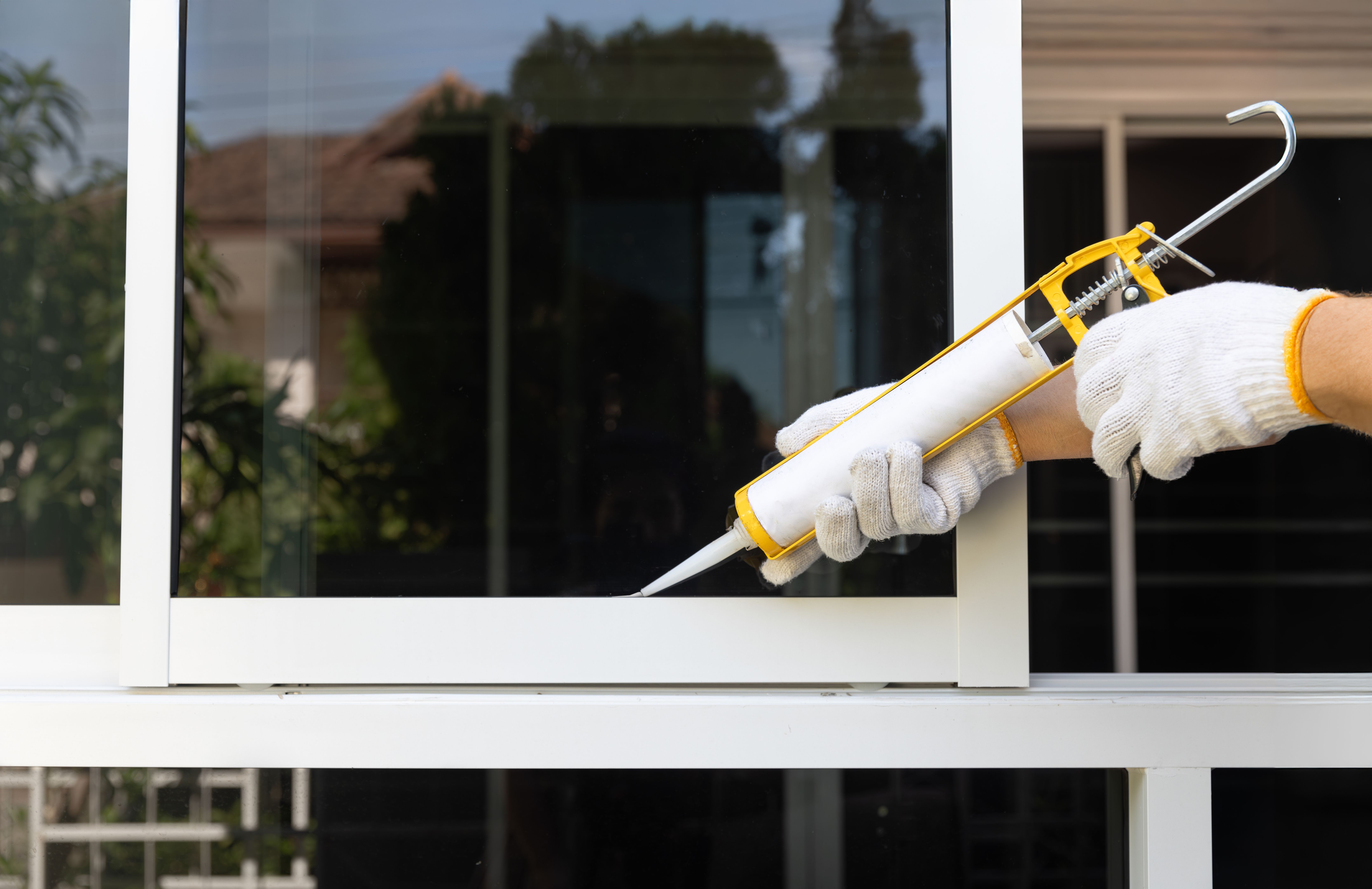
Consider installing weather stripping on doors to provide an additional layer of protection. Properly sealed windows and doors will help keep your home warm and dry throughout the rainy season.
Prepare Your Landscaping
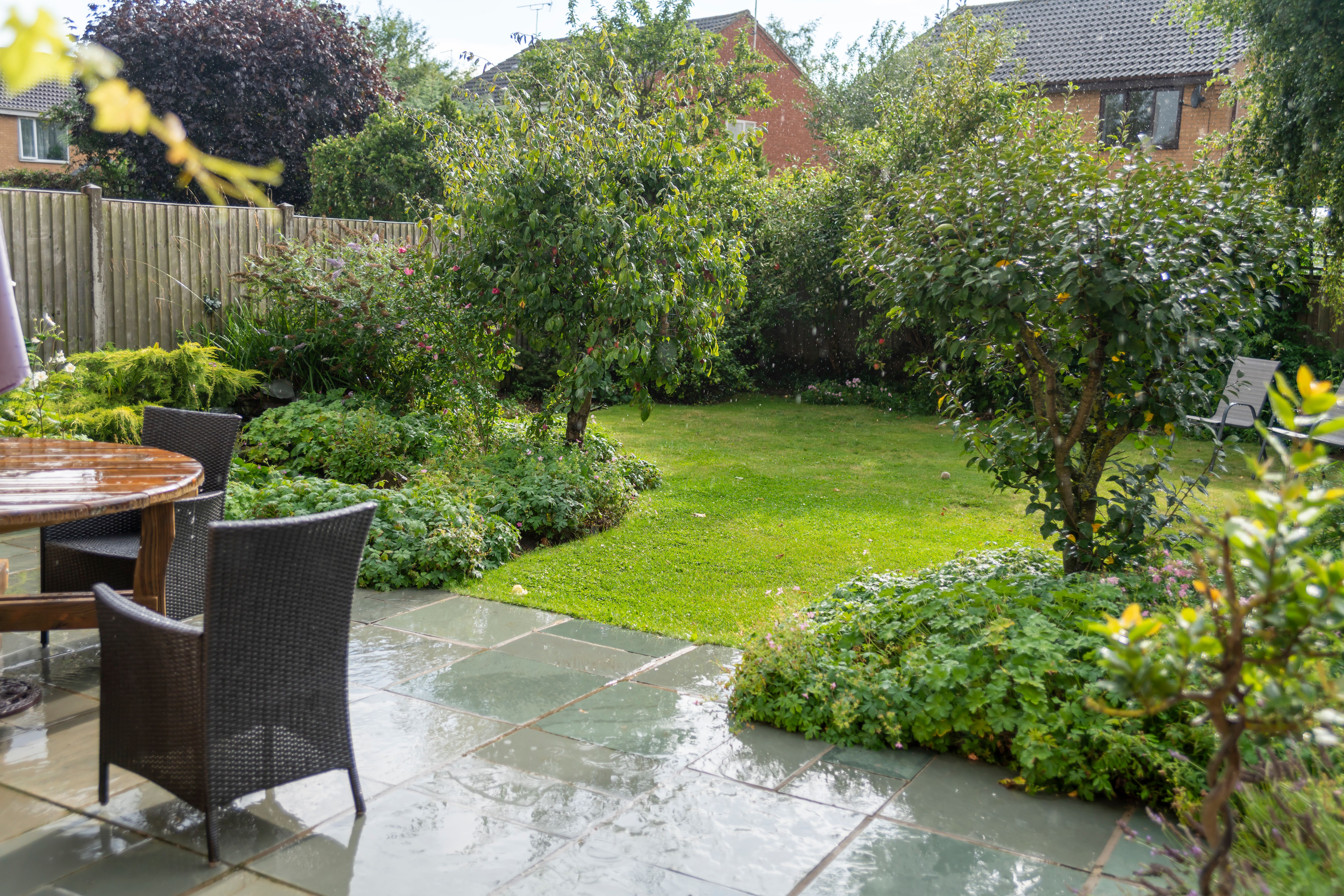
Landscaping can significantly impact how water flows around your home. Ensure that your yard slopes away from your house to prevent water accumulation near the foundation. Trim back trees and shrubs to prevent branches from falling during storms.
Check that your drainage systems, such as French drains or swales, are functioning correctly. Proper landscaping can help manage rainwater and protect your home from flooding.
Check Your Basement and Foundation
Basements and foundations are particularly vulnerable to water damage. Inspect your basement for signs of moisture or leaks and address any issues promptly. Applying a waterproof sealant to basement walls can provide an extra layer of protection.
Ensure that your foundation has proper drainage systems in place to channel water away from your home. This can prevent costly water damage and maintain the structural integrity of your property.
Invest in a Sump Pump
If your home is prone to flooding, a sump pump is a worthwhile investment. A sump pump helps remove water from your basement or crawl space, reducing the risk of water damage during heavy rains.
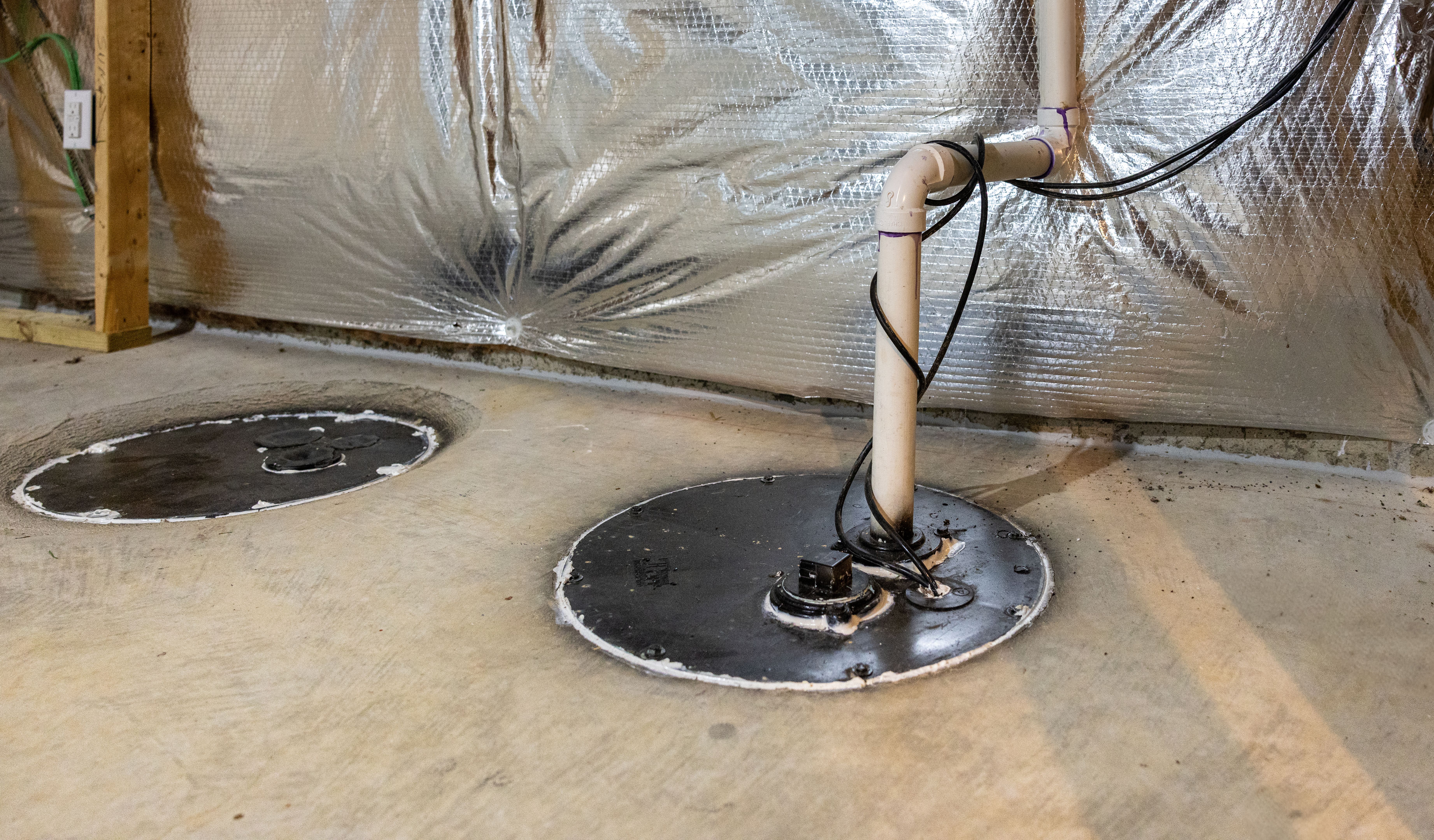
Regularly test your sump pump to ensure it's working correctly. Consider having a backup power source in case of power outages during storms.
Stock Up on Emergency Supplies
In preparation for potential power outages or emergencies, stock up on essential supplies. Keep flashlights, batteries, non-perishable food, and bottled water on hand. A well-prepared home can provide peace of mind during unpredictable weather conditions.
Consider creating an emergency plan for your family, including evacuation routes and communication strategies. Being prepared ensures that you can respond effectively to any situation.