DIY Tips for Adapting Your Garden to Metro Vancouver's Climate


Understanding Metro Vancouver's Climate
Metro Vancouver is known for its mild, temperate climate, characterized by wet winters and dry summers. This unique climate requires special considerations when planning your garden. By understanding the local weather patterns, you can make informed decisions about what to plant and how to maintain your garden throughout the year.
One of the key challenges for gardeners in this region is managing water effectively. While the area receives significant rainfall in the winter, summer months can be quite dry. Therefore, choosing plants that can thrive in both wet and dry conditions is crucial.

Selecting the Right Plants
When adapting your garden to Metro Vancouver's climate, it's essential to select plants that are well-suited to the local conditions. Native plants are an excellent choice, as they are naturally adapted to the area's climate and soil. Consider incorporating species like western red cedar, Douglas fir, and salal, which are known for their resilience.
Another tip is to look for drought-tolerant plants that can withstand the dry summer months. Succulents, lavender, and ornamental grasses are all great options that require minimal watering and care during the hotter periods.
Soil Preparation and Maintenance
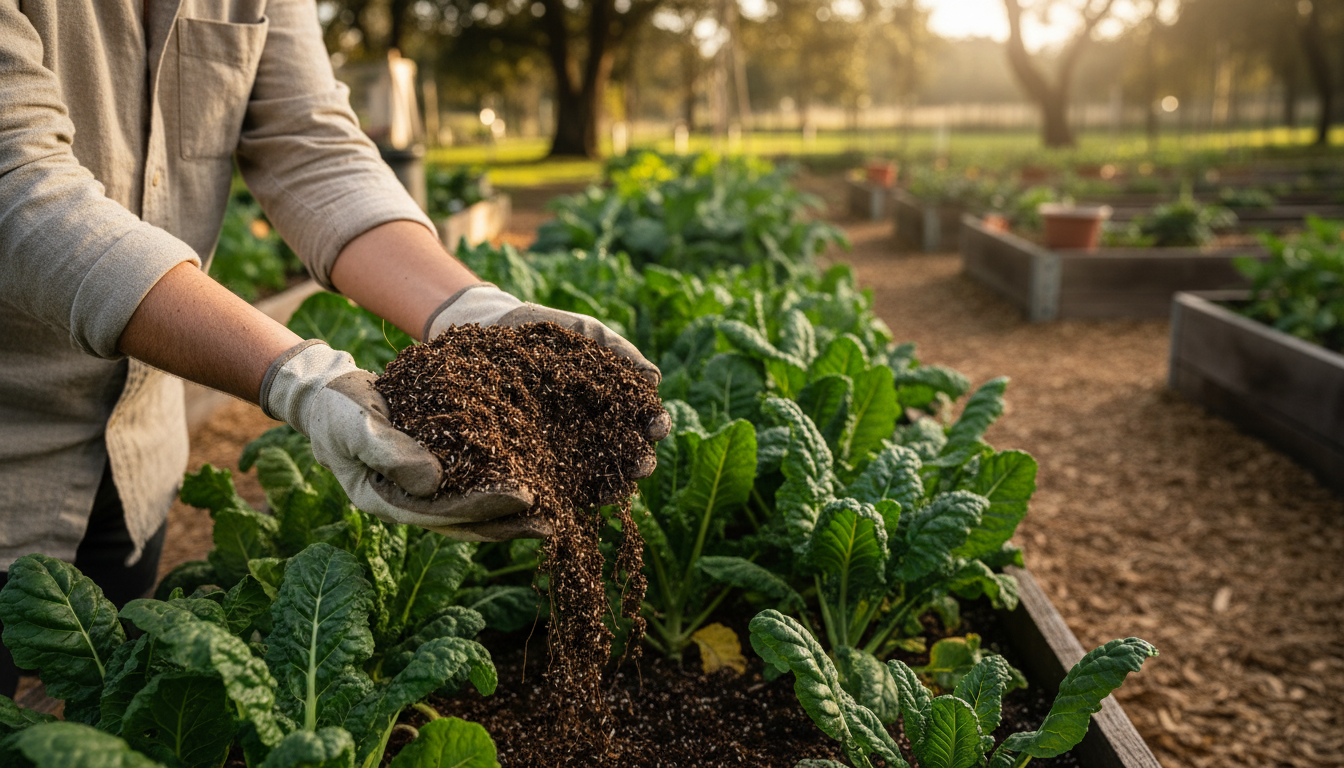
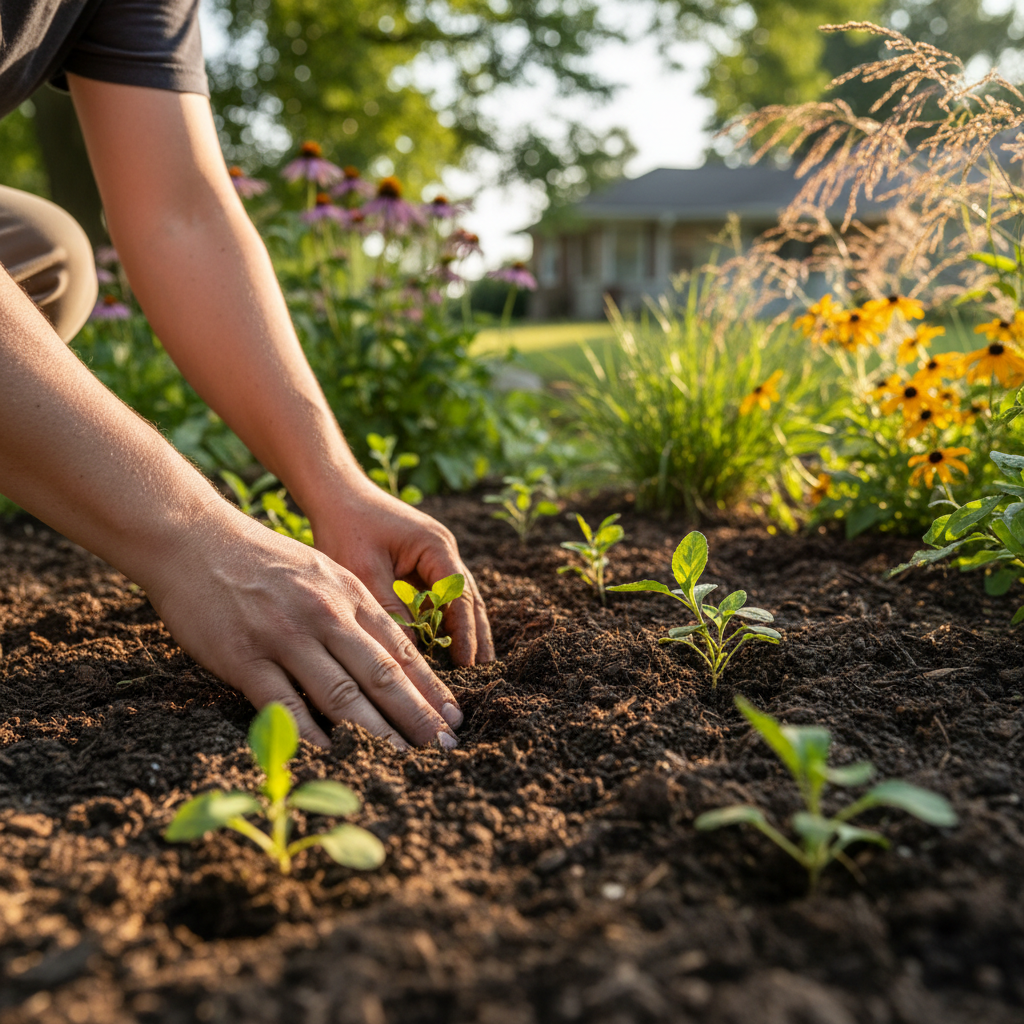
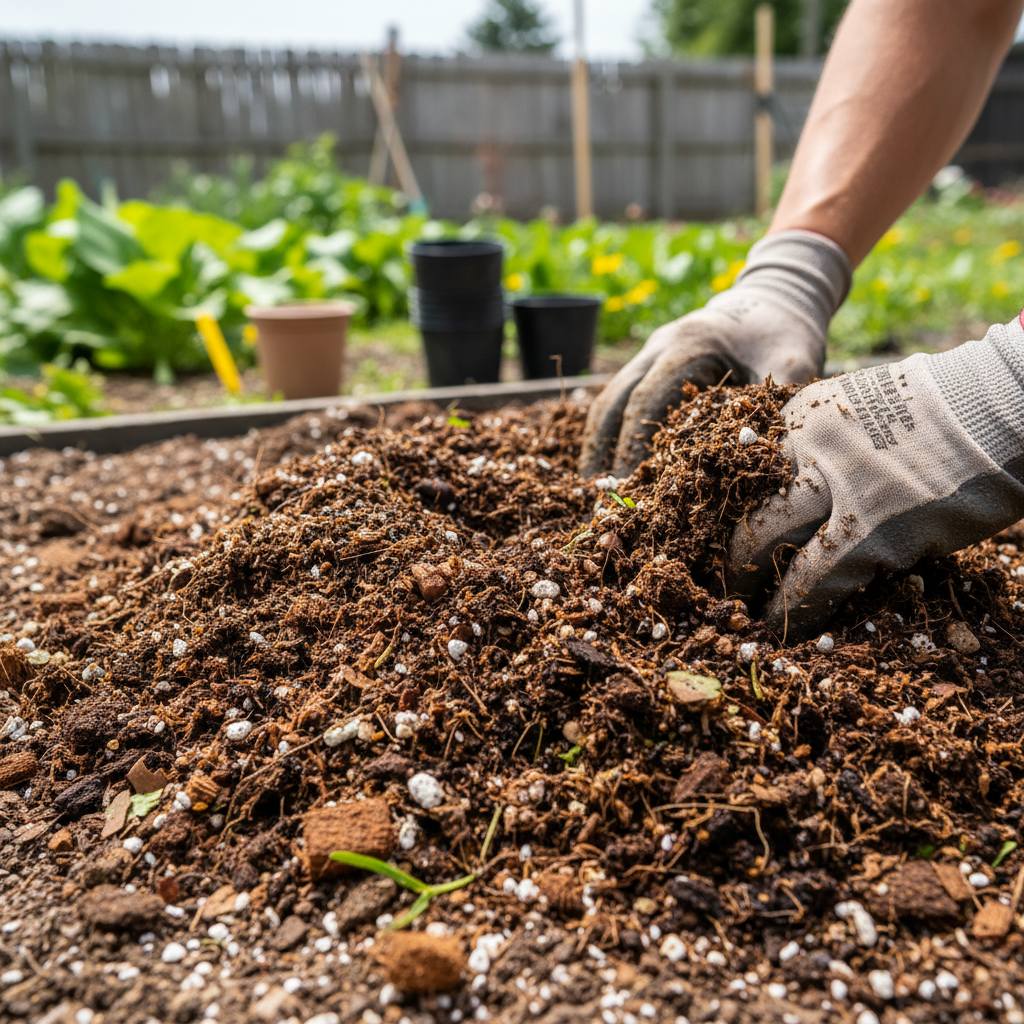
Soil quality plays a vital role in the success of your garden. In Metro Vancouver, the soil can be heavy and clay-like, which may require some amendments to improve drainage. Adding organic matter such as compost or well-rotted manure can enhance soil structure and fertility.
Regular maintenance is also important to ensure your garden thrives. This includes mulching to retain moisture, as well as periodic soil testing to determine nutrient levels and pH balance.
Watering Strategies
Water conservation is crucial in Metro Vancouver, especially during the summer months. Implementing efficient watering strategies can help your garden flourish while minimizing water usage. One effective method is using drip irrigation systems, which deliver water directly to the plant roots, reducing evaporation and waste.
Additionally, consider watering early in the morning or late in the evening when temperatures are cooler, and evaporation rates are lower. This practice ensures that plants absorb the maximum amount of moisture.
Creating Microclimates
Microclimates are small areas within your garden that have slightly different conditions than the surrounding environment. By strategically placing plants and structures, you can create microclimates that cater to specific needs. For instance, using windbreaks or shade cloths can protect delicate plants from harsh winds or excessive sun exposure.
Experimenting with different plant groupings can also help create favorable conditions for growth. Grouping plants with similar water and light needs can optimize their overall health and productivity.
Utilizing Mulch and Ground Covers
Mulching is an effective way to conserve moisture, suppress weeds, and improve soil quality. Organic mulches, such as bark chips or straw, break down over time, adding nutrients to the soil. Applying a thick layer of mulch around plants can help retain moisture during the dry months.
Ground covers can also be used to reduce water loss and prevent weed growth. Low-growing plants like creeping thyme or moss can create a lush, green carpet that enhances the aesthetics of your garden while providing practical benefits.
Embracing Sustainable Practices
Sustainability is a key consideration for any gardener in Metro Vancouver. Reducing chemical use and promoting biodiversity can lead to a healthier garden ecosystem. Encourage beneficial insects by planting a variety of flowering plants, and consider using organic fertilizers and pest control methods.
Composting is another sustainable practice that can enrich your garden soil. By recycling kitchen scraps and yard waste, you create nutrient-rich compost that can be used to enhance plant growth and soil health.